
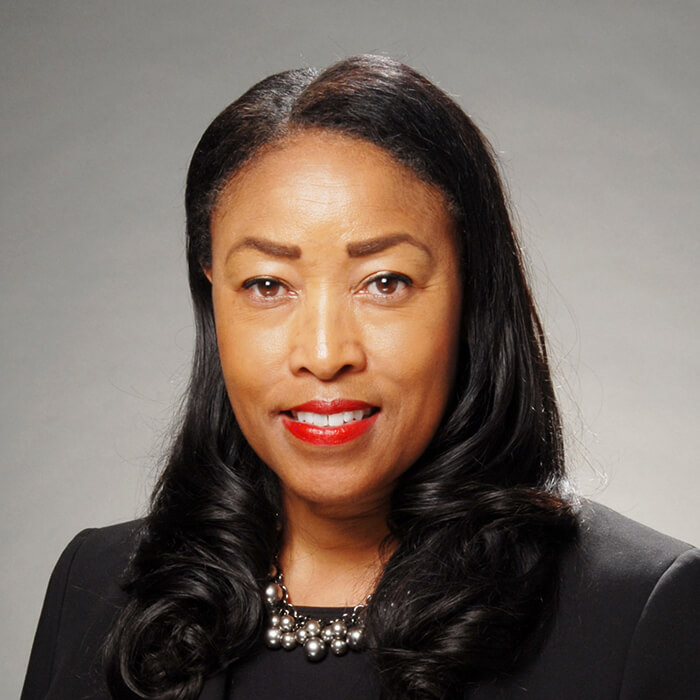
Va Lecia Adams Kellum
Homelessness System Leader; Senior Advisor at the Harvard Initiative on Health and Homelessness
An event of the Bloomberg Center for Cities

4:00 p.m.
Bloomberg Center for Cities, Taubman Third Floor, Harvard Kennedy School
About the Event
Co-sponsored with the Harvard Joint Center for Housing Studies, the Harvard Urban Health Initiative, and the Initiative on Health and Homelessness at the Harvard T.H. Chan School of Public Health.
Homelessness among older adults is emerging as one of the most significant—and least understood—challenges facing cities today. Older adults are the fastest-growing segment of the population experiencing homelessness, and research suggests that the number of people age 65 and older experiencing homelessness in some locations could nearly triple by 2030. As rising housing costs, fixed incomes, health challenges, and demographic shifts converge, cities are increasingly being called upon to respond to the unique needs of an aging homeless population.
This conversation will bring together leading researchers and practitioners working on the front lines of elder homelessness to examine the scope of the challenge, emerging evidence, and promising solutions. Speakers will explore the pathways that lead older adults into homelessness, the connections between housing instability, health, and aging, and the ways in which cities, health systems, and service providers can better prevent and respond to homelessness among older adults.
Virtual event open to all. In-person event open to all Harvard University ID holders. Registration is requested as space is limited. Doors open and refreshments available for in-person attendees at 3:45 p.m.
We welcome individuals with accessibility needs to participate in our events. Contact us at events@cities.harvard.edu to request accommodations or if you have questions.
Homelessness System Leader; Senior Advisor at the Harvard Initiative on Health and Homelessness
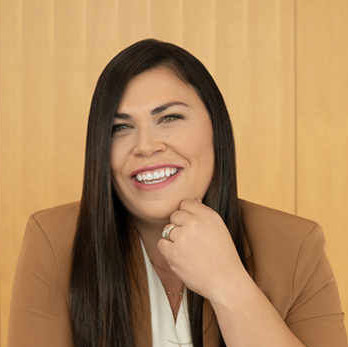
Mayor of Beaverton, Oregon
Mayor Lacey Beaty is a dynamic leader with a deep commitment to public service, equity, and community building. Elected as the first female mayor of Beaverton in 2020, she has since made significant strides in improving housing affordability, enhancing veterans’ services, and creating a more bikeable and walkable city. A U.S. Army veteran who served in the Iraq War, Mayor Beaty has used her platform to advocate strongly for veteran causes at both the state and national levels. Her leadership was crucial in the passage of Oregon’s HB 2295, which prioritizes veteran-owned businesses in state contracting, and her advocacy led to impactful changes in HUD rules regarding housing vouchers for veterans.
Mayor Beaty’s vision for Beaverton includes a community where families of all backgrounds can thrive. She has championed policies that focus on housing, sustainability, and accessibility, ensuring that Beaverton remains affordable and inclusive for all residents. Her work has earned her a place on the Advisory Board of the U.S. Conference of Mayors, further elevating her role in shaping national policy discussions.
In addition to her leadership on city issues, Mayor Beaty’s personal journey from veteran to public servant demonstrates her unwavering commitment to service. She continues to engage with the community on key initiatives, from expanding affordable housing options, to ensuring that people struggling with homelessness can live a life of dignity. She is a tireless advocate for Beaverton and has helped bring millions in State and Federal funding into the City.
Through her leadership, Mayor Beaty is building a Beaverton that is not just prepared for the future, but one that leads by example, ensuring progress, accessibility, and community for all.
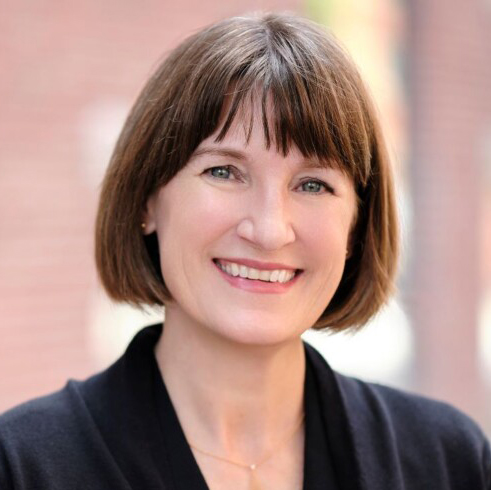
Director, Housing an Aging Society Program, Lecturer in Urban Planning and Design, Harvard Graduate School of Design
Jennifer Molinsky is Director of the Housing an Aging Society Program at the Joint Center for Housing Studies and a Lecturer in Urban Planning and Design. As Director, Dr. Molinsky leads research exploring the housing challenges facing an aging population, including affordability, accessibility and safety in the home, community livability, and connections between housing, services, and health. She was lead author on the Center’s major reports on the challenges of housing an aging society, including Housing America’s Older Adults 2023; Advancing Housing and Health Equity for Older Adults: Pandemic Innovations and Policy Ideas, The State of the Nation’s Housing for Older Adults 2018 and 2019; Older Households 2015-2035: Projections and Implications for Housing a Growing Population (2016); and Housing America’s Older Adults: Meeting the Needs of an Aging Population (2014), and has also written about the role of housing in wellbeing in older age. Jennifer was also a co-editor of the 2018 book “A Shared Future: Fostering Communities of Inclusion in an Era of Inequality” and the 2014 book “Homeownership Built to Last: Balancing Access, Affordability, and Risk After the Housing Crisis.”
Jennifer is a member of the Advisory Board of the Milken Institute Center for the Future of Aging and the Board of Directors of both Hearth, Inc and 2Life Communities. She serves on the steering committee for The Chan School of Public Health Initiative on Health and Homelessness at Harvard and co-directs the Healthy Places Design Lab at the Graduate School of Design. Prior to joining the Center, she was Chief Planner for Long Range Planning in Newton, MA, and held positions with the Lincoln Institute of Land Policy, Municipal Art Society of New York, Abt Associates, and PricewaterhouseCoopers’ government housing finance practice.
Jennifer holds a PhD in Urban Planning from MIT, a Masters of Public Affairs-Urban and Regional Planning from the Woodrow Wilson School at Princeton, and a BA from Yale.
Social Justice Advocate; Benevolence Coordinator at Summit Church; Co-founder of Connections Ministry Nikhai's Closet
Connections Ministry Nikhai’s Closet originated out of Niki’s experience with homelessness following three rear impact auto accidents, two in one night, in 2005.
The devastating aftermath of the accidents thrust Niki into the care of a neurologist and a diagnosis of a traumatic brain injury. Her focus shifted to survival along her journey towards recovery and her education in the U.S. Social Security disability system. Niki learned that existing on the street while surviving a brain injury is a challenge for anyone, especially when all that makes life normal is no longer in one’s grasp.
Connections Ministry Nikhai’s Closet has the focus of encouragement through ministry, education born out of discovery, and advocacy of paying it forward.